Well Water Testing for Winchester & Frederick County Wells
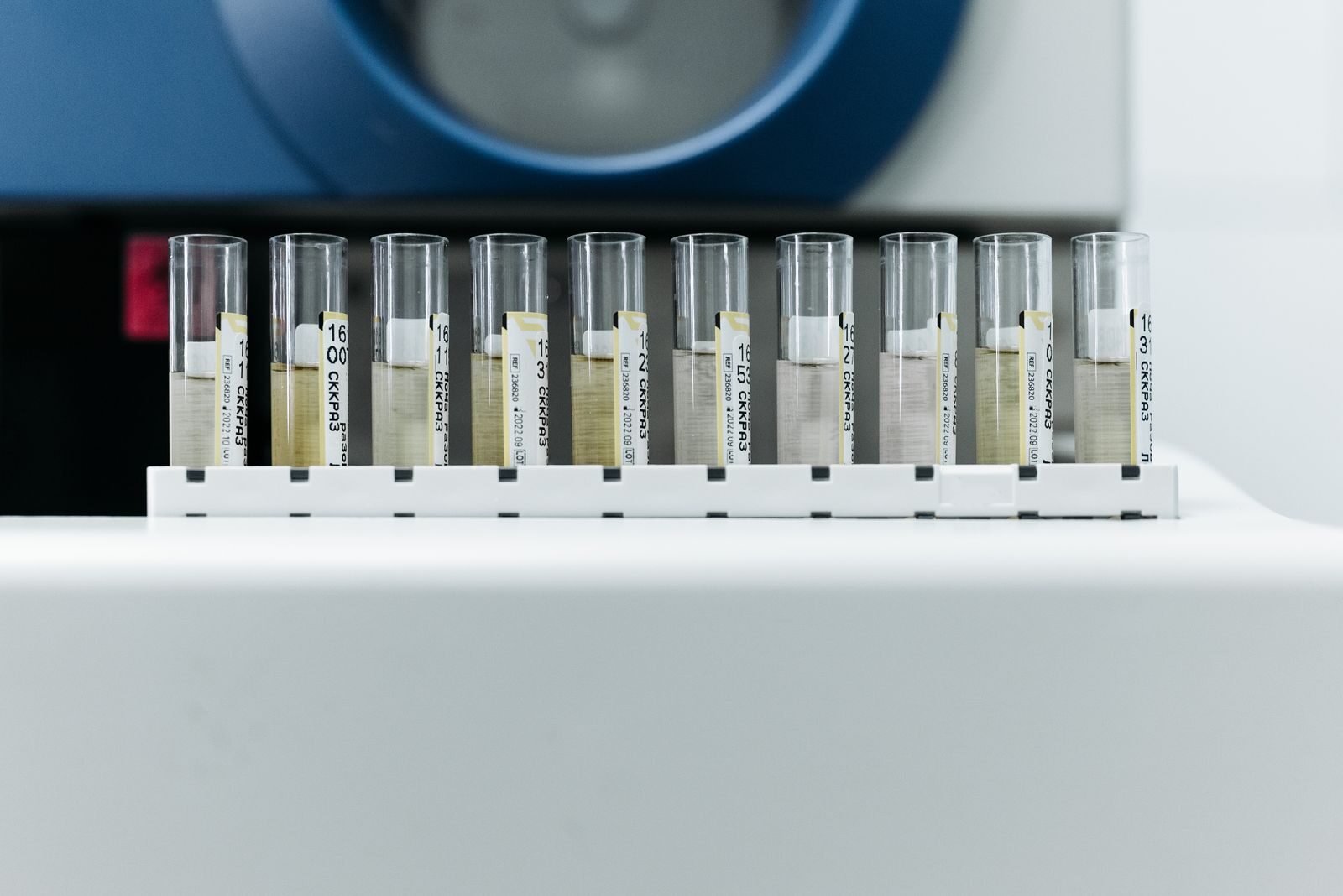
You can’t see, smell, or taste most of the things worth knowing about your well water — and the things you can notice (iron stains, hardness scale, sulfur smell) are the ones a test quantifies before you spend money treating them. Testing is the cheapest, most informative step in owning a well, and it’s the step everything else — treatment, equipment, peace of mind — should be built on.
What a Standard Test Covers
- Coliform bacteria (including E. coli). The most important routine test for a private well. Health guidelines commonly recommend testing for bacteria annually. A positive bacteria result is a health matter: follow the lab’s and health department’s guidance on disinfecting the well and retesting.
- Hardness. The calcium/magnesium level that drives softener decisions and explains scale.
- Iron (and often manganese). The staining metals; the level and type determine the filtration approach.
- pH. Acidity or alkalinity affects corrosion of plumbing and how treatment equipment performs.
- Nitrates. Worth including, particularly for homes near agricultural land and households with infants — another result where health guidance, not sales advice, is the right response if levels come back elevated.
- Total dissolved solids (TDS) and turbidity are frequently included in standard panels and round out the picture.
Where to Get Tested
Start with the health department. The Lord Fairfax Health District serves Frederick County and the Winchester area, and county health departments are the standard local pointer for well water testing — they can direct you to certified laboratories and current testing programs, and they’re the authority to talk to if a result raises a health question. Virginia also runs periodic well-testing programs through Virginia Cooperative Extension (the Virginia Household Water Quality Program holds testing clinics in the region), which offer affordable panels with results explained by people who don’t sell equipment. Independent certified labs are the third route — fastest if you’re testing ahead of a treatment decision or a home purchase.
When to Test
Annually for bacteria, as routine ownership. Additionally: when you buy a home with a well (make it part of the purchase process), after any well or pump work that opens the system, after flooding or a noticeable change in taste, odor, or appearance, and before buying treatment equipment. Keep your results with your home records — a history of results over years is genuinely useful, and it matters at resale.
Then What
If results say your water needs nothing, testing just saved you from buying equipment you didn’t need. If something needs treating, bring the report to the treatment conversation — our Water Treatment page explains the equipment categories in test-first terms.
We connect you with independent local companies for testing coordination, treatment, and well service. For the test itself, the county health department route above is the right first call.