Pressure Tanks & Low Pressure Problems
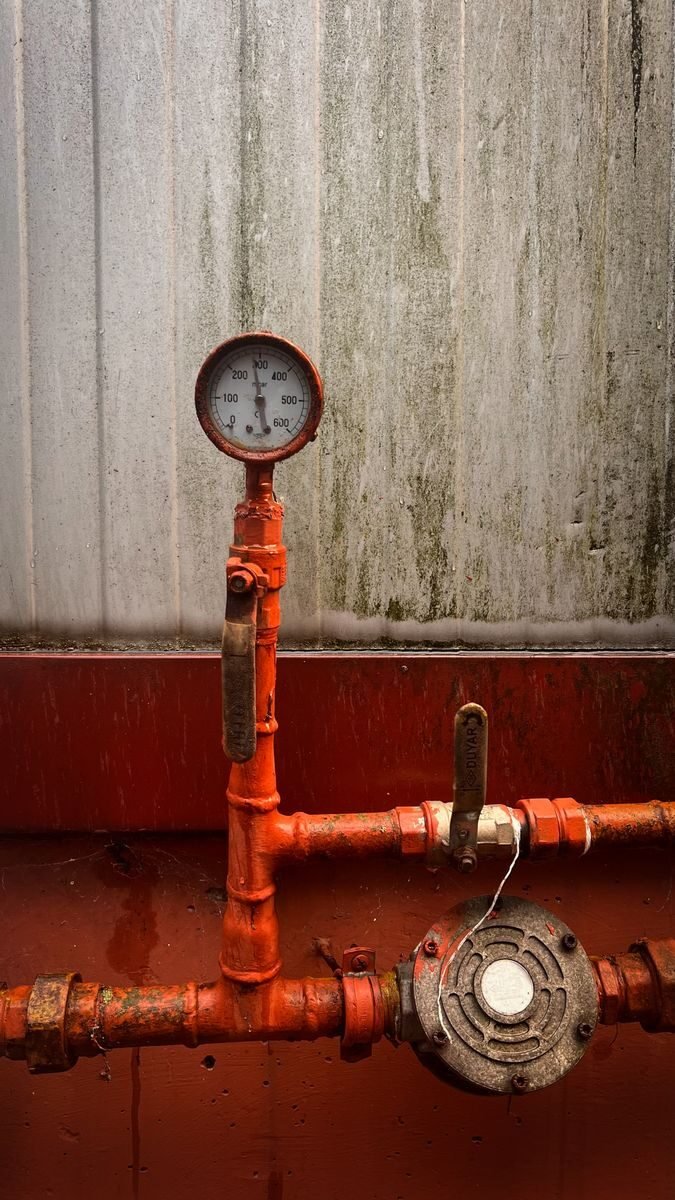
If your well water pressure fades in the shower, surges at the sink, or your pump clicks on and off like it’s nervous, the prime suspect isn’t the pump — it’s the pressure tank. The tank is the least understood and hardest-working part of the system, and when it fails, it takes the pump’s lifespan with it if it’s ignored.
What the Tank Actually Does
A pressure tank holds a reserve of water under pressure, separated from an air cushion by a bladder or diaphragm. When you open a tap, the air pushes stored water out — the pump stays off. When pressure falls to the switch’s cut-in point (commonly around 30 or 40 psi), the pump runs, refills the tank to the cut-out point (around 50 or 60 psi), and stops. A healthy tank means your pump runs in long, restful cycles a modest number of times a day.
The Failure That Matters: Waterlogging
When the bladder fails or the air charge is lost, the tank fills entirely with water — waterlogged. Water doesn’t compress, so the moment a tap opens, pressure collapses, the pump kicks on; the moment the tap closes, pressure spikes and the pump shuts off. On, off, on, off — every few seconds. That rapid short cycling overheats the pump motor, wears the switch contacts, and is one of the most common root causes of “sudden” pump failure. If your pump cycles every time anyone runs water, your tank needs attention now, while it’s still a tank problem instead of a tank and pump problem.
Quick Checks You Can Do
- The knock test. Tap the tank from bottom to top with your knuckles. A healthy tank sounds solid at the bottom and hollow toward the top. Dull and solid all the way up suggests water where air should be. (This is a clue, not a diagnosis.)
- The air valve. The tank has a small valve on top, like a tire valve. A brief press should release air. If it spits water, the bladder has failed and the tank needs replacing.
- Watch the gauge. Note the cut-in and cut-out pressures as the pump cycles. A wide, steady swing (say, 40 to 60) is healthy. A needle that flutters with every faucet is not.
- Check the tank’s air charge only with the pump off and the system drained — this one is technician territory if you’re not sure, and that’s fine.
Tank Replacement
Tanks are wear items with a typical life in the same general range as pumps. Replacement is above-ground work — no pulling anything from the well — and it’s usually a same-visit job once diagnosed. Correct sizing and correct air charge (set about 2 psi below the switch’s cut-in) are the whole craft of it; an undersized or mischarged new tank recreates the problem it was meant to solve.
If your symptom is pressure-related, say so; it points the technician at the tank first, which is the fastest route back to a normal shower. Diagnosis and replacement are performed by independent licensed local well companies.