Water Treatment Systems for Winchester Area Wells
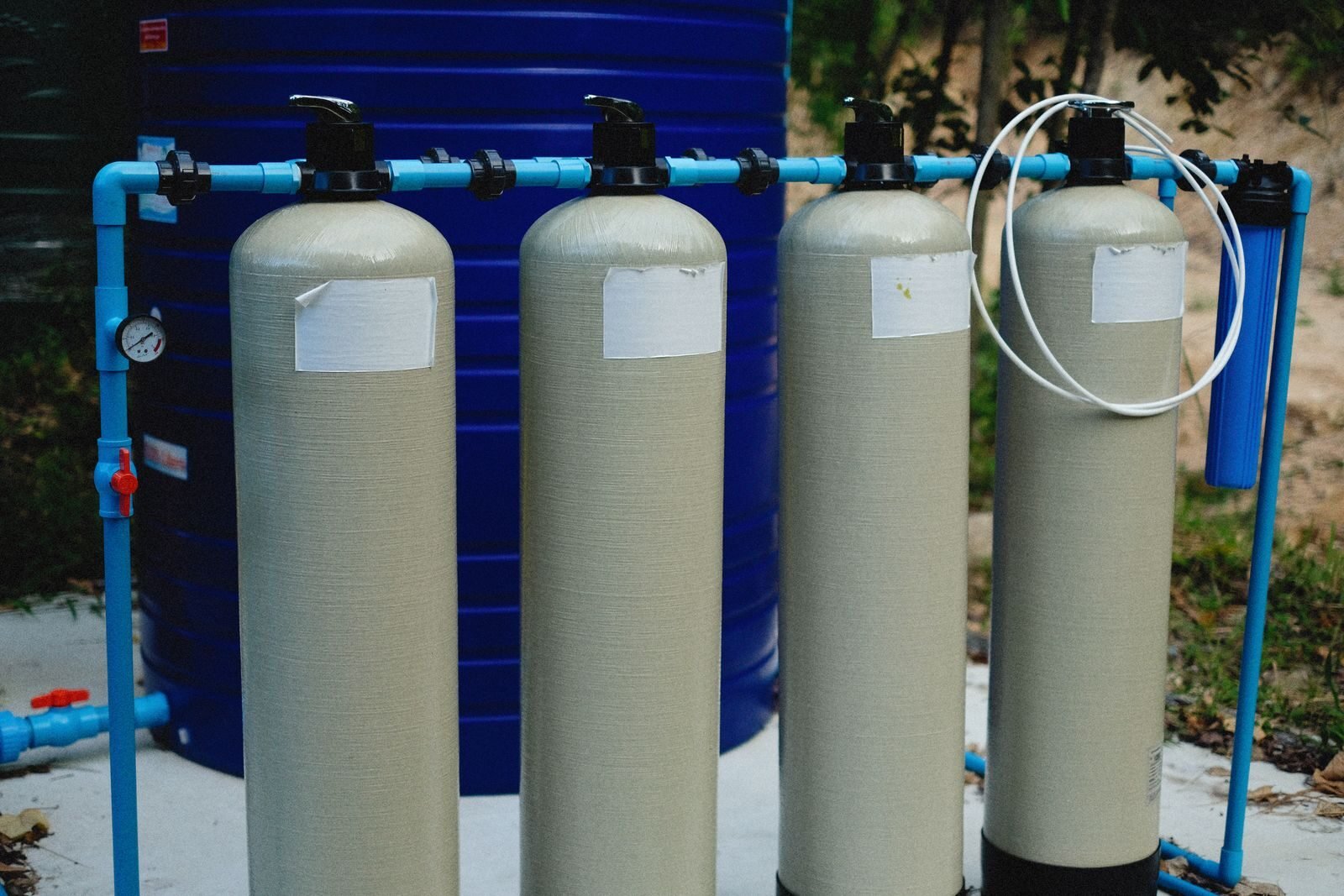
Well water in the Winchester area is good water with a few recurring personalities. Frederick County sits on a lot of limestone, so hardness is common. Iron shows up in plenty of local wells, and sulfur odor — the rotten-egg smell — is a familiar complaint in parts of the Valley. None of these are reasons to dislike your well. They’re reasons to match the treatment to what’s actually in your water, which starts with a test and ends with equipment sized to your household. This page explains the main tools, plainly.
Water Softeners — For Hardness
Hard water leaves scale on fixtures and water heaters, spots glassware, dulls laundry, and makes soap underperform. A water softener removes the calcium and magnesium that cause hardness through ion exchange, regenerating on a cycle with salt. Sizing depends on your measured hardness level and household water use — a softener is not a one-size purchase, and an honest installer will test your water and do that math in front of you.
Iron and Sulfur Filtration
Iron in well water stains fixtures, tubs, and laundry orange, and can give water a metallic taste. Sulfur (hydrogen sulfide) is the rotten-egg odor, usually more noticeable in hot water. Treatment options include oxidizing filters and media filters designed for these specific problems — the right choice depends on your iron type and level, your water’s pH, and flow rate. This is precisely the category where a test result should drive the recommendation, because iron bacteria, dissolved iron, and particulate iron are three different problems wearing the same orange stain.
Reverse Osmosis — For Drinking Water
Reverse osmosis (RO) is a point-of-use system, typically installed under a kitchen sink, that pushes water through a fine membrane to reduce a broad range of dissolved substances for drinking and cooking water. It’s a taste-and-preference upgrade for most well owners rather than a whole-house necessity, and it’s usually paired with whole-house equipment that handles hardness or iron first.
What We Won’t Claim
Treatment equipment should be recommended from your water test, sized to your home, and described in terms of what that equipment type is designed to reduce. Be wary of anyone selling treatment with fear, or promising that a system will make any water “perfectly safe” without a test behind the claim. If a health-related concern is what brought you here — a bacteria result, a nitrate reading, a worry about something specific — the right first step is a certified test and, where relevant, your county health department’s guidance, not a sales appointment. Our Well Water Testing page explains how testing works locally.
Treatment systems are recommended, installed, and serviced by independent local water treatment and well companies. Bring a recent test result if you have one; if you don’t, ask about testing first — it’s the cheaper decision either way.